
Use-wear analysis (also known as microwear analysis or traceology) is the science of identifying and interpreting wear traces which develop on objects throughout their lives.
It is a non-destructive technique which combines both macroscopic and microscopic observations of an artefact at a range of magnifications (c. x10-x500) to understand and interpret the wear traces preserved on their surface. These traces primarily consist of a combination of edge removals, edge rounding, polish and striations.
Such traces may be the result of use, other anthropogenic/cultural actions (e.g. wrapping, hafting, grinding or polishing), or environmental processes. The skill of the use-wear analyst is in differentiating and interpreting these different (or sometimes not so different) wear traces.
The character of wear traces appear differently according to the type of material an object has been in contact with (e.g. bone, antler, wood, bark, non-silicious & silicious plants, mineral traces, hide or leather etc) as well as the activity or motion involved, and the duration and intensity of use. These traces consist primarily of a combination of edge removals, edge rounding, polish and striations, present on their surface.

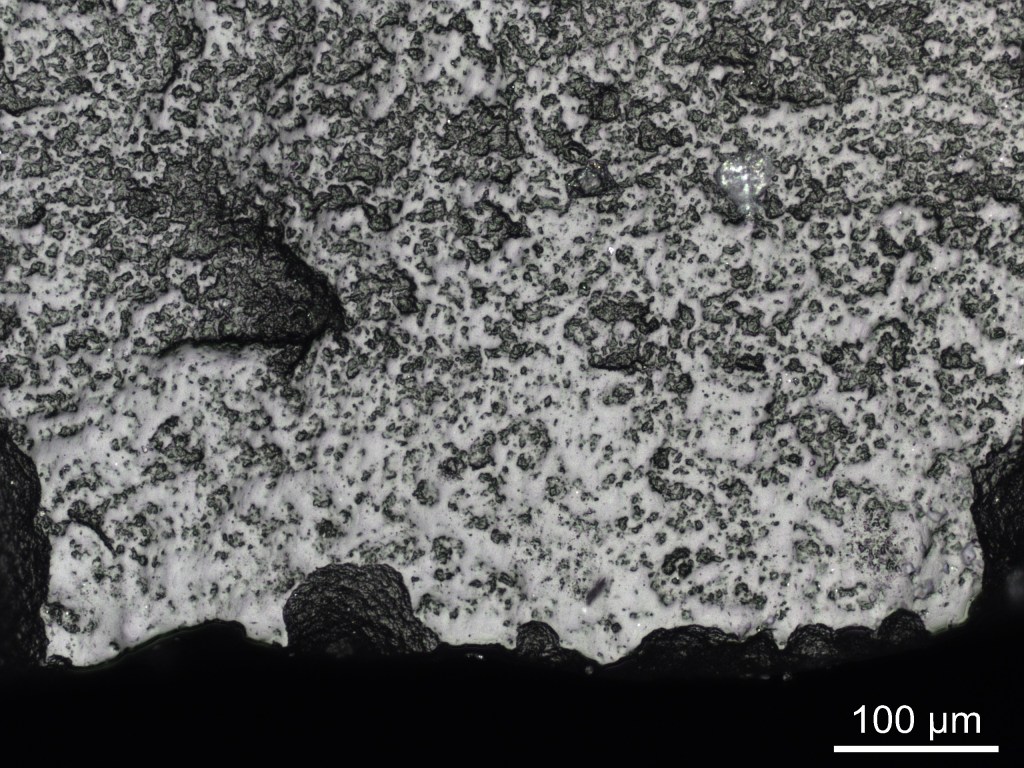


Use-wear analysis is commonly applied to knapped flint and chert objects, however, the technique can be applied to any material; bone, antler, shell, obsidian, other non-flint stone objects (e.g. beads, stone axes, grindstones), pottery, teeth, tusks, wood and metals (the list is quite literally endless).
By mapping the different wear traces which appear across the surface of a tool we can provide details about artefact manufacture, use, reuse, repair, hafting, prehension (holding), alongside non-utilitarian traces such as wrapping and storage (e.g. sheath or quiver wear) or thread wear (e.g. beads). This has the potential to provide high resolution reconstructions of the lives of these artefacts and enrich our understanding of the communities, sites and landscapes they were part of.
 F A C E T S